
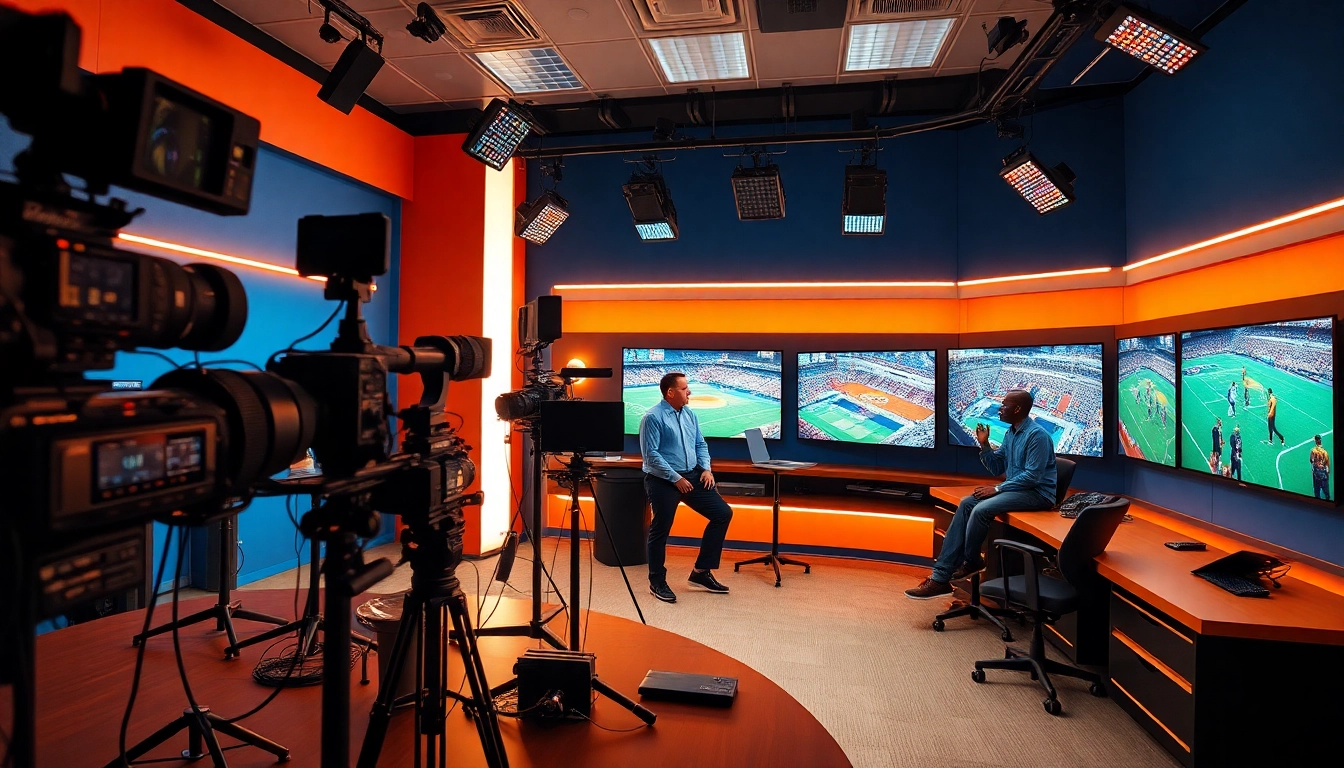
Understanding Sports Broadcasting
Defining Sports Broadcasting
Sports broadcasting refers to the dissemination of sports events via television, radio, or online platforms. It encompasses various formats, including live broadcasts, highlights, analysis shows, and documentary-style content. The goal is to deliver real-time coverage to audiences, engaging them with play-by-play commentary, expert analysis, and in-depth storytelling. For anyone interested in the evolving landscape of Sports Broadcasting, understanding its framework is critical.
Historical Evolution
The journey of sports broadcasting began in the early 20th century, with the first radio broadcasts of sports events. By the 1930s, sports programming had firmly taken root in radio, offering a blend of live commentary and fan interaction. The introduction of television in the 1940s marked a revolutionary change; entire games could now be broadcasted to millions of viewers at home. The gradual shift to digital platforms and the rise of the internet in the late 1990s and early 2000s brought forth streaming services and mobile applications, setting the stage for today's multi-platform approach.
Key Technologies Impacting Sports Broadcasting
The evolution of sports broadcasting has been significantly influenced by technological advancements. High-definition (HD) and ultra-high-definition (UHD) broadcasting have dramatically improved visual clarity. Innovations such as 4K video, drone cameras, and augmented reality have further enhanced viewer experience. The integration of cloud technology has also redefined production workflows, enabling broadcasters to store and access data efficiently. These technologies not only boost production quality but also streamline the entire broadcasting process, making it more accessible for content creators and audiences alike.
The Role of Technology in Sports Broadcasting
Live Streaming Innovations
Live streaming has revolutionized how fans consume sports content. It allows viewers to watch events in real-time from anywhere in the world using various devices. Platforms like social media and dedicated streaming services provide live coverage that traditional television cannot match. Features such as multi-angle viewing, real-time stats, and interactive sponsorships have made live streaming an engaging and immersive experience. Innovations like low-latency streaming further enhance the viewing experience, ensuring that fans receive updates exactly when they occur.
Use of Analytics in Broadcasting
The incorporation of analytics in sports broadcasting has transformed how commentary and coverage are delivered. Data-driven insights empower commentators to provide deeper context, such as player statistics, historical performance comparisons, and predictive outcomes. This analytical approach enriches the narrative, making broadcasts more informative. Furthermore, broadcasters use viewer data and interaction metrics to tailor content and improve engagement, ensuring that programming resonates with viewers, thereby maximizing retention and loyalty.
Augmented and Virtual Reality Applications
Augmented reality (AR) and virtual reality (VR) technologies are reshaping fan experiences in sports broadcasting. AR enhances live broadcasts with dynamic graphical overlays, such as player statistics or game metrics, creating an interactive viewing experience. Meanwhile, VR provides immersive environments, allowing fans to feel as if they are part of the game. These technologies not only enhance viewer engagement but also open new avenues for sponsorship opportunities and monetization through virtual experiences and merchandise.
Challenges in Sports Broadcasting
Regulatory Issues
The sports broadcasting landscape faces a myriad of regulatory challenges. Copyright laws, broadcasting rights, and international regulations can complicate content distribution and lead to legal disputes. Broadcasters must navigate these complex regulations while ensuring that they comply with local laws across various markets. As the digital landscape expands, new regulations will likely emerge, requiring broadcasters to stay informed and adaptable to maintain compliance and offer uninterrupted services.
Quality Consistency
Maintaining quality across all broadcasting platforms is a challenge faced by many broadcasters. Technical glitches, varying internet speeds, and platform-specific limitations can lead to inconsistent viewer experiences. To counteract these issues, broadcasters must invest in robust technology and perform rigorous testing to ensure seamless delivery. Continuous quality assurance practices are essential in maintaining high standards, regardless of the medium through which content is distributed.
Audience Engagement Strategies
Engaging audiences in a crowded media landscape is arguably one of the greatest challenges today. With countless content options available, keeping viewers’ attention requires innovative strategies. Broadcasters must leverage social media interactions, interactive polls, live Q&A sessions, and user-generated content to create a conversation around their programming. Building a strong online community enhances loyalty and fosters an environment where viewers feel personally invested in the content being produced.
Best Practices for Effective Sports Broadcasting
Creating Compelling Content
Creating compelling content is the cornerstone of successful sports broadcasting. Narratives that weave statistics, personal stories, and expert insights create a richer viewing experience. Engaging storytelling has the potential to transition a regular game into a memorable event. Broadcasters should understand their audience’s preferences and tailor content accordingly, blending serious analytical pieces with light-hearted segments to cater to diverse viewer needs.
Maximizing Viewer Interaction
Interaction is crucial in fostering viewer loyalty. Broadcasters can maximize viewer interaction by employing tactics such as live chats, social media engagement, and shout-outs during broadcasts. Moreover, encouraging viewers to participate in discussions helps create a community around the sport. Incorporating tools like hashtags makes it easier for fans to engage with content and connects them to larger conversations taking place online.
Utilizing Social Media Platforms
Social media platforms are invaluable tools for promoting and enhancing sports broadcasts. Engaging snippets, behind-the-scenes content, and real-time updates can significantly boost audience reach. Collaborations with influencers or interactive video content can also help broaden exposure. By developing an active and compelling social media presence, broadcasters can increase viewership while fostering a community that engages with the sports content on multiple platforms.
The Future of Sports Broadcasting
Predicted Trends for the Next Decade
The next decade promises an exciting evolution in sports broadcasting. Trends suggest a rise in personalized content, where algorithms curate tailored programming based on viewer preferences. Enhanced reality technologies will likely become commonplace, providing viewers with hybrid experiences blending the real and digital worlds. Furthermore, the growth of on-demand viewing will transform traditional broadcasting schedules, catering to an audience that values flexibility and access.
Impact of 5G on Broadcasting
The introduction of 5G technology is expected to have a profound impact on sports broadcasting. With its higher bandwidth and reduced latency, 5G will enable smoother streaming experiences, real-time data sharing, and richer interactivity. It will facilitate innovations such as simultaneous multi-angle viewing and enhanced statistics integration during live events. Moreover, 5G could open new avenues for viewer engagement by allowing users to access content in more versatile ways, including AR and VR applications.
Preparing for Changing Viewer Preferences
As preferences shift, broadcasters must adapt their strategies to meet the evolving demands of their audience. Younger generations gravitate toward platforms like TikTok and Instagram for digestible content and highlights rather than full-length broadcasts. Research and audience feedback are essential for broadcasters to understand these changing dynamics. By embracing these shifts and providing engaging, multi-format content, broadcasters can remain relevant and continue to captivate diverse audience segments.
Frequently Asked Questions
What is sports broadcasting?
Sports broadcasting is the dissemination of sports events via television, radio, or online platforms, delivering live coverage and analyses to viewers.
How has technology impacted sports broadcasting?
Technology has enhanced viewer experience through live streaming, analytics, augmented reality, and virtual reality applications, creating a richer, more engaging environment.
What challenges does sports broadcasting face today?
Key challenges include navigating regulatory issues, maintaining quality consistency, and engaging audiences effectively amid rising competition.
What are best practices for effective sports broadcasting?
Best practices include creating compelling content, maximizing viewer interaction, and leveraging social media platforms for promotion and engagement.
What trends should we expect in the future of sports broadcasting?
Expect personalized content, augmented reality integration, the impact of 5G technology, and adaptability to changing viewer preferences in the future of sports broadcasting.